March 30, 2026 — As global industries intensify their focus on operational safety and regulatory compliance, the role of mechanical safety systems has evolved from a basic safeguard to a core component of process integrity. Among these, the Sequential Valve Interlock System stands out as a critical technology for managing complex, multi-step operations in hazardous environments. This white paper explores the key trends driving the adoption of these systems and outlines the strategic considerations for procurement and implementation.
1. The Convergence of Safety and Operational Efficiency
The traditional view of safety devices as productivity inhibitors is being overturned. Modern Sequential valve interlock systems are engineered to enforce safe operating procedures without causing unnecessary delays. By mechanically guaranteeing that valves are operated in a pre-defined, safe sequence, these systems prevent human error—the leading cause of process incidents—while ensuring that operations can proceed smoothly and predictably. This trend is particularly pronounced in sectors like oil and gas, petrochemicals, and power generation, where the cost of a shutdown or accident is monumental.
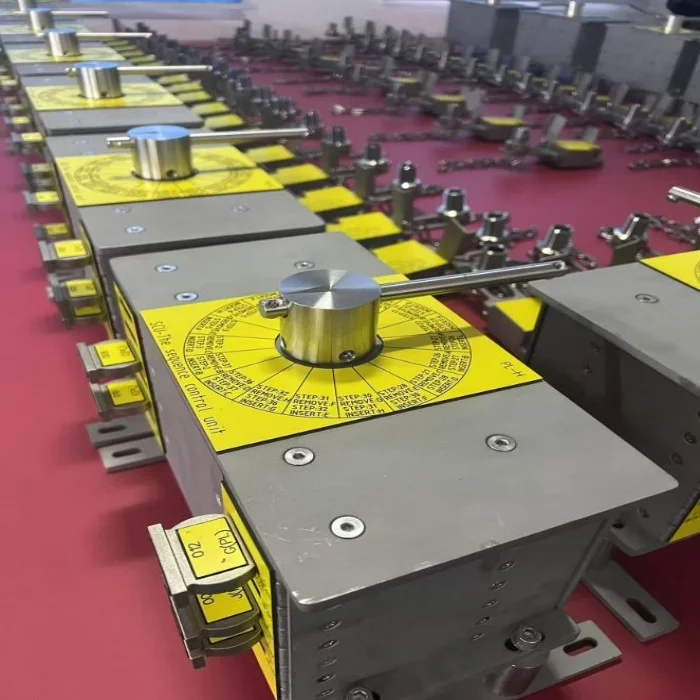
Figure: Nudango's SCU (Sequential Control Unit) exemplifies the integration of robust mechanical safety with clear procedural guidance.
2. Customization and Application-Specific Solutions
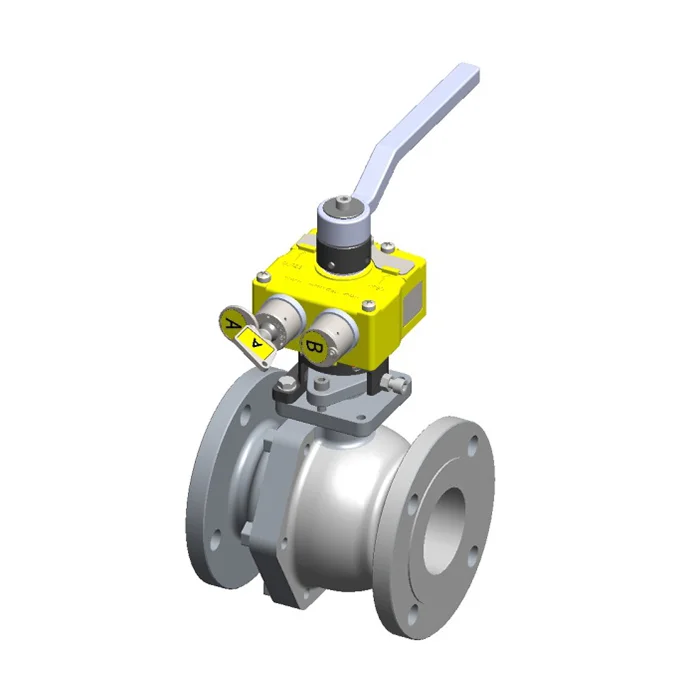
One-size-fits-all solutions are inadequate for the diverse valve types and process layouts found in industry. The demand for Customized valve interlock solutions is surging. This involves designing interlocks for specific valve types—whether Quarter-turn valve interlock for ball valves, Multi-turn valve interlock for gate valves, or specialized Drive Valve Interlock and Gear box valve interlock for motor-operated valves. Leading manufacturers like Shanghai Nodango Safety Equipment Co., Ltd. (Nudango) leverage their R&D capabilities to develop tailored Mechanical key interlock for valves that fit unique client footprints, enhancing both safety and system integration.
3. Material Innovation for Extreme Service
Industrial environments are becoming more challenging, with operations expanding into offshore platforms, arctic regions, and highly corrosive chemical plants. This drives innovation in materials for Harsh environment valve interlock devices. The use of Stainless steel valve interlock constructions is standard, but advanced alloys and coatings are being deployed for Corrosion-resistant valve interlock and Explosion-proof valve interlock applications. These material advancements ensure long-term reliability and reduce lifecycle maintenance costs, a key factor for Total Cost of Ownership (TCO) calculations by procurement teams.
4. Integration with Digital Management Systems
While the core mechanism remains mechanical for ultimate reliability, Valve interlock systems are increasingly part of a broader digital ecosystem. The Mechanical interlock for valve safety management provides the physical layer of protection, while its status can be monitored through add-on sensors and integrated into Plant Safety or Asset Management software. This hybrid approach allows for real-time auditing of lockout/tagout (LOTO) compliance, predictive maintenance scheduling, and centralized management of safety procedures, bridging the gap between physical safety and Industry 4.0.
5. Regulatory Stringency as a Primary Market Driver
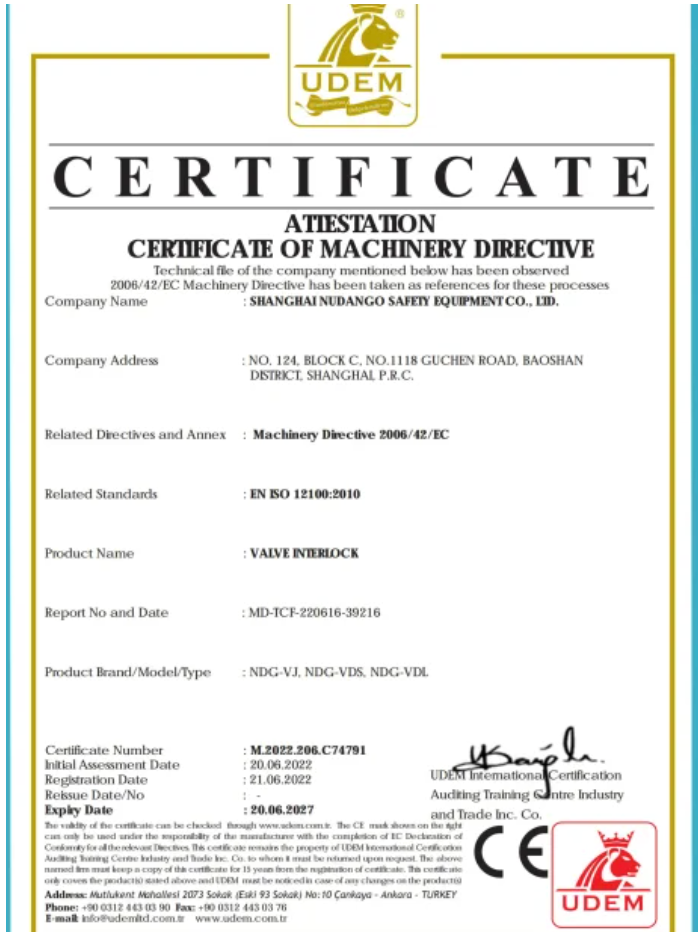
Globally, safety regulations (such as OSHA PSM, SEVESO III, and various national standards) are becoming more stringent and prescriptive. Compliance is no longer optional but a fundamental license to operate. Pipeline valve interlock safety device and Petrochemical valve interlock system installations are often mandated to achieve compliance. This regulatory push creates a robust market for certified safety solutions. Suppliers with comprehensive certifications, like Nudango's ISO9001:2016, Environmental Management System, and CE marks, are positioned as trusted partners in helping clients meet these ever-tightening requirements.

Strategic Procurement in a Evolving Market
For industrial buyers, selecting a Valve interlock supplier now requires evaluating technological capability, customization expertise, and global support. A manufacturer's ability to provide a Sequential valve interlock system that is both highly reliable and tailored to specific Rotary motion valve interlock or linear valve needs is paramount.
Companies like Nudango demonstrate this capability through their global project footprint, serving clients in Germany, Saudi Arabia, India, Brazil, and beyond. Their product range, from Safety valve interlocking device to complex sequential units, coupled with a commitment to R&D and quality assurance (evidenced by their modern production workshop and warehouse logistics), makes them a benchmark in the industry.
As we look toward 2030, the trend is clear: Industrial valve safety interlock systems, particularly sequential types, will become even more intelligent, durable, and integral to the safe and efficient operation of critical infrastructure worldwide. Procurement decisions made today must account for this trajectory, prioritizing partners who invest in innovation and offer comprehensive lifecycle support.
For more information on Nudango's valve interlock solutions, visit https://www.nudango.com/ or contact their team at globalnudango@shndg.cn / +86 13052019523.