Introduction: The Critical Role of Valve Interlocks in Industrial Safety
The procurement of valve interlock systems is a decision that directly impacts operational safety, regulatory compliance, and asset protection in high-risk industries. A mechanical valve interlock system is not merely an accessory; it is a fundamental component of a plant's safety-instrumented system, designed to enforce a safe sequence of operations and prevent human error. For procurement professionals, navigating the global market of valve interlock suppliers requires a methodical approach that balances technical specifications, quality assurance, and long-term reliability. This guide provides a structured framework to help you identify and evaluate potential partners, ensuring you secure a solution that meets your specific operational and safety needs.
Key Evaluation Criteria for Valve Interlock Suppliers
When screening suppliers, move beyond basic price comparisons. A holistic evaluation should encompass the following dimensions:
1. Technical Expertise and Product Portfolio Breadth
A supplier's ability to offer a comprehensive range of solutions is indicative of deep application knowledge. Assess their portfolio for specific product types relevant to your project:
- Quarter-turn valve interlock and Rotary motion valve interlock for ball and butterfly valves.
- Multi-turn valve interlock for gate, globe, and rising stem valves.
- Specialized systems like Drive Valve Interlock and Gear box valve interlock for motorized or gear-operated valves.
- Advanced control systems such as a Sequential valve interlock system or Mechanical key interlock for valves for complex process sequences.
Suppliers like Shanghai Nodango Safety Equipment Co., Ltd. (Nodango) demonstrate this breadth, offering solutions from basic key-operated valve interlock units to complex customized valve interlock solutions for intricate piping networks.
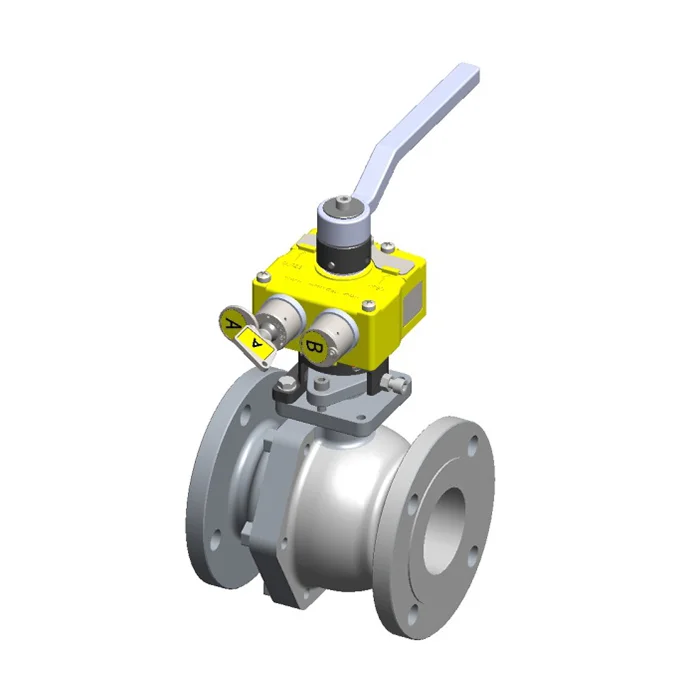
Example of a robust rotary motion valve interlock designed for quarter-turn valves.
2. Industry-Specific Application Experience
The operational demands of the oil and gas industry differ significantly from power generation or marine applications. A credible supplier should have a proven track record in your sector. Inquire about case studies or reference projects. For instance, a supplier experienced in the petrochemical valve interlock system market will understand the need for corrosion-resistant valve interlock and explosion-proof valve interlock designs to handle volatile media and hazardous areas.
3. Manufacturing Capabilities and Quality Management
Request information on production facilities, in-house machining capabilities, and quality control protocols. A visit to the supplier's factory or a virtual tour can be invaluable. Look for organized production lines, modern equipment, and stringent testing procedures. Shanghai Nodango Safety Equipment Co., Ltd., for example, maintains advanced production workshops and warehouses, supporting their claim of reliable manufacturing.
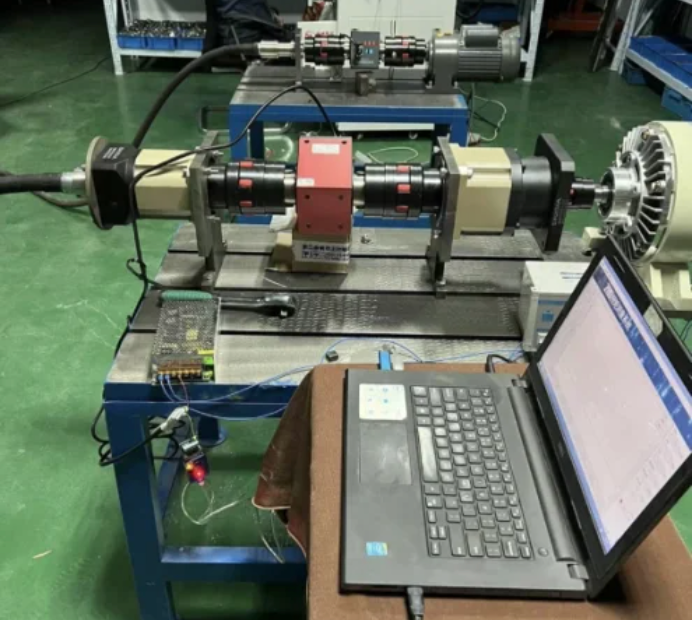
A view of a modern production facility specializing in safety equipment manufacturing.
4. Certifications and Compliance Standards
International certifications are non-negotiable benchmarks of quality and safety commitment. Essential certifications to verify include:
- ISO 9001:2015 (Quality Management System): Ensures consistent product quality and process control.
- ISO 14001 (Environmental Management System) and ISO 45001 (Occupational Health and Safety): Indicate responsible corporate practices.
- CE Marking: Demonstrates compliance with European health, safety, and environmental protection standards for products sold within the European Economic Area.
Reputable suppliers will readily provide these certificates. For example, Nodango holds all three ISO system certificates and the CE mark, which can be verified on their official website at https://www.nudango.com/.
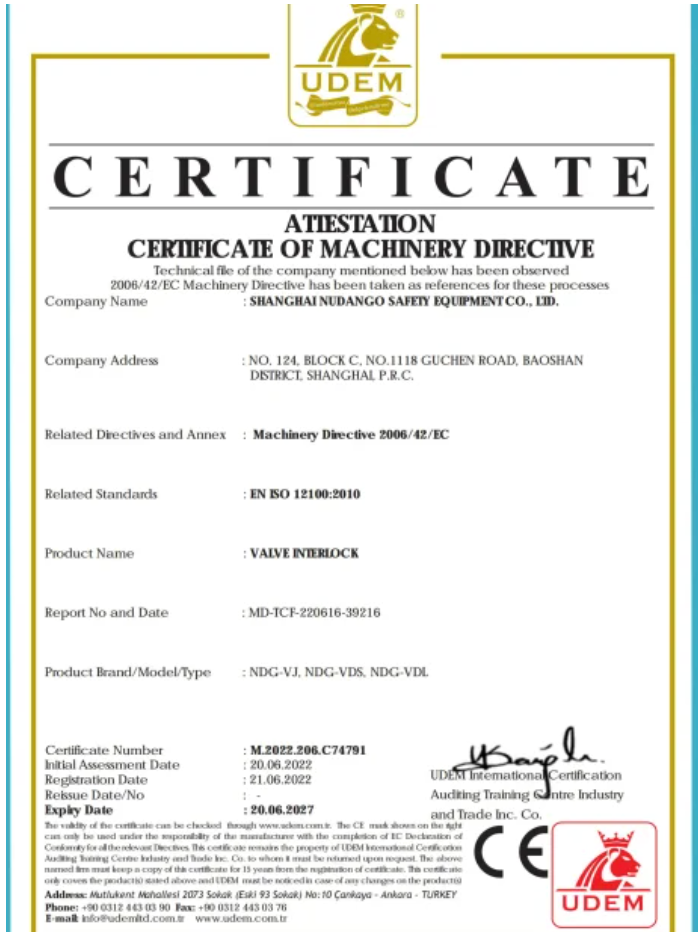
CE certification is a critical mark for suppliers targeting the European market.
5. Engineering Support and Customization Ability
Standard products rarely fit every scenario. The capability to provide customized valve interlock solutions is crucial. Evaluate the supplier's engineering team. Do they offer site surveys, CAD drawings, and technical consultations? Can they design a pipeline valve interlock safety device for a unique valve arrangement or a harsh environment valve interlock using stainless steel or other specialized materials? A supplier with a strong R&D focus, often evidenced by patented technologies and collaborations with research institutions, is better positioned to solve complex challenges.
6. Global Support and After-Sales Service
Consider the supplier's logistical and technical support network. For international procurement, ensure they have experience in export documentation, shipping, and providing after-sales support remotely. Check if they offer comprehensive documentation (manuals in multiple languages), spare parts availability, and troubleshooting assistance. A supplier with a history of exporting to diverse regions like Southeast Asia, the Middle East, and Europe is likely adept at handling international client needs.
Practical Steps in the Procurement Process
- Define Your Requirements Precisely: Create a detailed specification sheet listing valve types (quarter-turn, multi-turn), sizes, operating environment (corrosive, explosive), required safety sequence, and material preferences (stainless steel valve interlock for corrosive settings).
- Conduct Preliminary Supplier Research: Use industry directories, trade shows, and online platforms to create a longlist. Review company websites like Nudango's official site for technical data, case studies, and certification information.
- Issue a Detailed Request for Quotation (RFQ): Beyond price, ask for certifications, lead times, warranty terms, and references from similar projects.
- Evaluate and Shortlist: Apply the criteria above. Conduct interviews with shortlisted suppliers' technical sales engineers. Request sample units or 3D models for evaluation if feasible.
- Perform Due Diligence: Contact provided references. Verify certification authenticity through issuing bodies if necessary.
- Pilot Project or Initial Order: For large-scale deployments, consider a smaller initial order to validate product quality, delivery, and support firsthand.
Conclusion: Building a Partnership for Safety
Selecting a valve interlock supplier is a strategic decision. The goal is to establish a partnership with a provider that offers not just a product, but a comprehensive mechanical interlock for valve safety management solution. By rigorously evaluating technical capability, quality systems, and support infrastructure, procurement professionals can mitigate risk and invest in safety solutions that protect personnel, processes, and the environment for the long term. A diligent selection process ensures that the chosen industrial valve safety interlock system will perform reliably, contributing to the overall integrity and efficiency of your operations.
For further technical specifications or to discuss your specific valve interlock requirements, you can reach out to professional suppliers directly. For instance, Shanghai Nodango Safety Equipment Co., Ltd. (Nodango) can be contacted at Phone: +86 13052019523, Email: globalnudango@shndg.cn, or via their website at https://www.nudango.com/.