How to Select the Right Valve Interlock System for Your Industrial Process
Choosing the correct valve interlock is not just a procurement decision; it's a critical safety and operational investment. With various types like quarter-turn valve interlock, multi-turn valve interlock, and drive valve interlock systems available, the selection process can be complex. This guide, powered by the expertise of Shanghai Nodango Safety Equipment Co., Ltd. (Nodango), will walk you through the key steps to ensure you implement the most effective mechanical valve interlock system for your specific application.
Shanghai Nodango Safety Equipment Co., Ltd. – A leader in industrial safety solutions.
Step 1: Understand Your Valve and Process Requirements
The foundation of a proper selection is a deep understanding of your equipment and process sequence.
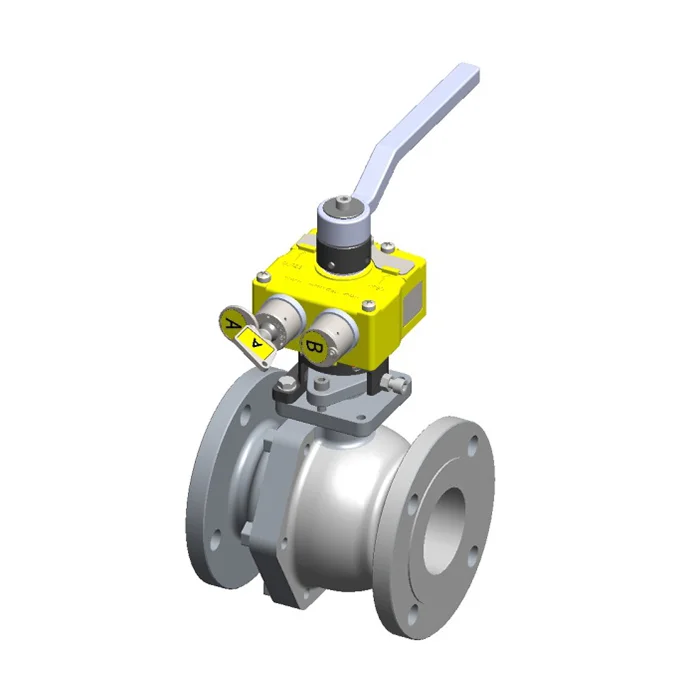
- Valve Type & Motion: Identify if your valve operates with a rotary motion (like ball or butterfly valves) requiring a quarter-turn valve interlock, or with a linear/rising stem action (like gate or globe valves) needing a multi-turn valve interlock. For motor-operated valves or actuators, a specialized drive valve interlock or gear box valve interlock is essential.
- Process Sequence (SIS): Map out the required safe operating procedure. Do valves need to be operated in a specific, non-bypassable order? If yes, a sequential valve interlock system or a mechanical key interlock for valves with a central SCU (Sequential Control Unit) is the solution to enforce procedural discipline.
- Industry & Environment: The operating environment dictates material and protection needs. For the oil and gas industry or petrochemical plants, explosion-proof valve interlock and corrosion-resistant valve interlock designs in stainless steel are often mandatory for harsh environment applications.
Step 2: Define Your Safety and Access Control Objectives
What risks are you mitigating? Clear objectives guide the system's complexity.
- Prevent Human Error: The core function of any valve interlocking device is to prevent incorrect valve operation sequences that could lead to spills, mixing of incompatible media, or equipment damage.
- Enforce Lockout/Tagout (LOTO): A key-operated valve interlock integrates seamlessly with LOTO procedures. The key becomes the isolator, providing a physical guarantee that energy is isolated before maintenance.
- Manage Permits-to-Work: Linking valve access to a work permit system enhances overall valve safety management. The key can be released only upon authorization.
Step 3: Evaluate Technical Specifications and Customization Needs
Off-the-shelf solutions may not fit unique challenges. Partner with a provider capable of engineering tailored answers.
- Material & Build: For longevity in corrosive or marine settings, insist on stainless steel valve interlock units. Nodango's products are engineered for extended use in demanding conditions with excellent moisture-proof and rust-proof properties.
- Mechanical Complexity: Assess if a simple standalone mechanical interlock for valve safety management suffices, or if a networked pipeline valve interlock safety device system across multiple valves is needed.
- Customization: Unique valve handles, space constraints, or special procedural rules often necessitate customized valve interlock solutions. A provider like Nodango, with extensive R&D and patented technologies, can design interlocks for virtually any valve configuration.
Why Choose Nodango for Your Valve Interlock Needs?
Shanghai Nodango Safety Equipment Co., Ltd. stands out as a premier provider of industrial valve safety interlock systems. With a commitment to safety system engineering, Nodango offers a full spectrum from consulting and design to manufacturing.
Their product portfolio, including the SCU (Sequential Control Unit), Multi-turn valve interlock (model VDS / VDL), and Gear box valve interlock, is backed by independent intellectual property rights and complies with rigorous international standards, including ISO 9001:2015. Their systems are proven in critical sectors like oil and gas, petrochemical, power generation, and marine engineering.
For a reliable partner in valve interlock safety, contact Nodango:
Phone: +86 13052019523 | WhatsApp: +86 13816485040
Email: globalnudango@shndg.cn | Website: https://www.nudango.com/
Step 4: Consider Integration, Installation, and After-Sales Support
The best system is one that can be properly installed and maintained.
- System Integration: Ensure the valve interlock system can integrate with existing safety systems or new plant designs without major modifications.
- Supplier Credentials: Verify certifications. Nodango holds Quality, Environmental, and Occupational Health & Safety Management System certificates, along with CE marking, ensuring product reliability and compliance.
- Global Support: For industries with international operations, a supplier with a global footprint is vital. Nodango's products are exported worldwide, from Southeast Asia to Europe and the Middle East, demonstrating their capability to support global projects.

Conclusion: Making an Informed Decision
Selecting the right valve interlock system is a multi-faceted process that directly impacts plant safety, operational efficiency, and regulatory compliance. By systematically analyzing your valve types, process hazards, environmental conditions, and support needs, you can specify a system that provides robust protection. For complex requirements, engaging early with an experienced provider like Nodango for customized valve interlock solutions is the most strategic path forward. A correctly specified and installed mechanical valve interlock system is a cornerstone of modern industrial valve safety, preventing costly incidents and protecting both personnel and assets.
Disclaimer: This guide is for informational purposes. Always consult with qualified safety engineers and adhere to all local and international safety standards and regulations when designing and implementing safety interlock systems.