Your Guide to Choosing the Perfect Valve Safety Interlock
In the complex world of industrial process safety, a valve interlock is more than just a locking device—it's a critical component of your operational integrity and personnel safety strategy. With various types like mechanical valve interlock systems, quarter-turn valve interlocks, and multi-turn valve interlocks available, selecting the right one can be daunting. This guide, brought to you by Shanghai Nodango Safety Equipment Co., Ltd. (Nodango), will walk you through the key considerations to ensure you implement the most effective and reliable valve interlock for oil and gas industry and other demanding sectors.
Shanghai Nodango Safety Equipment Co., Ltd. - A leader in safety system engineering.
Step 1: Understand Your Valve Type and Motion
The fundamental starting point is analyzing the valve's operation. The wrong interlock type will not function correctly, compromising the entire safety sequence.
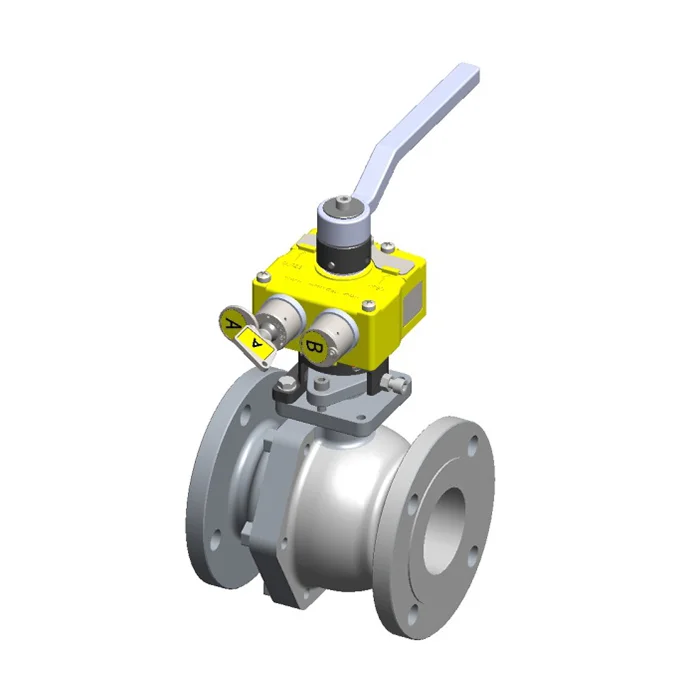
- Quarter-Turn Valve Interlock: Designed for ball valves, plug valves, and butterfly valves that require a 90-degree rotation to open or close. These are common in many pipeline applications.
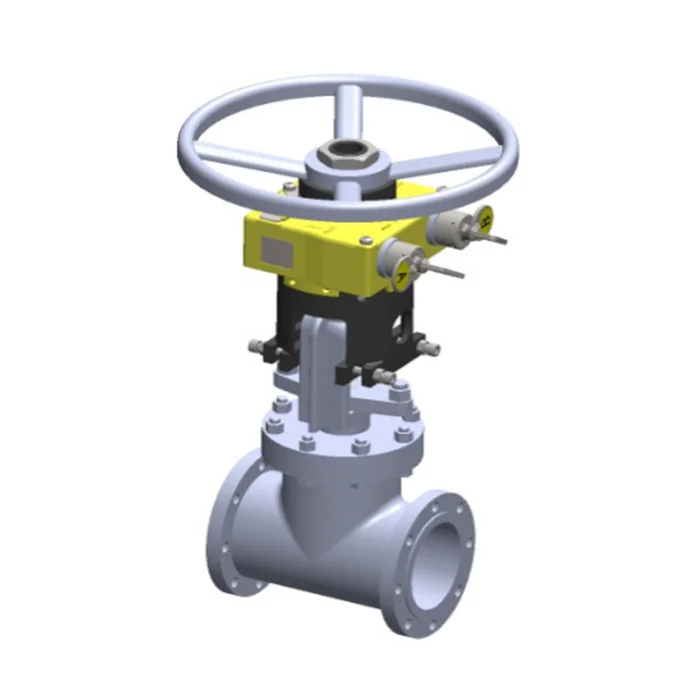
- Multi-Turn Valve Interlock (Model VDS / VDL): Essential for gate valves, globe valves, and rising stem valves that require multiple rotations. These are often found in critical isolation points.
- Rotary Motion Valve Interlock (Model VJ): A versatile solution for valves with a rotating handwheel or lever, providing a robust mechanical key interlock for valves.
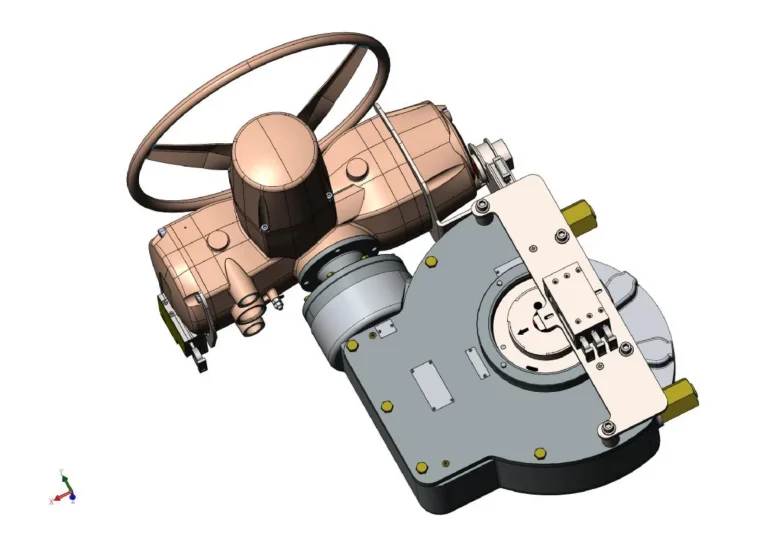
- Drive Valve Interlock & Gear Box Valve Interlock: Specifically engineered for valves operated by gearboxes or actuators. They lock the drive mechanism itself, a crucial consideration for automated systems.
Step 2: Assess the Operational Environment
The industrial environment dictates the material and protection level required. A standard interlock will fail prematurely in harsh conditions.
- Corrosive & Chemical Exposure: For petrochemical valve interlock systems and offshore platforms, specify stainless steel valve interlocks (e.g., 304 or 316 SS) or coatings that offer superior corrosion-resistant valve interlock properties.
- Explosive Atmospheres (ATEX Zones): In the oil and gas industry, explosion-proof valve interlock designs that prevent sparking are non-negotiable for safety compliance.
- General Harsh Conditions: For environments with extreme temperatures, moisture, or dust, look for harsh environment valve interlocks with excellent moisture-proof, mildew-proof, and dust-proof seals, like those engineered by Nodango.
Step 3: Define Your Safety Logic - Sequential or Key-Operated?
What is the safety goal? Preventing accidental opening, or enforcing a specific valve operation sequence?
- Key-Operated Valve Interlock: A simple, effective safety valve interlocking device that uses a trapped key to physically prevent valve operation without authorization. Ideal for single-point isolation.
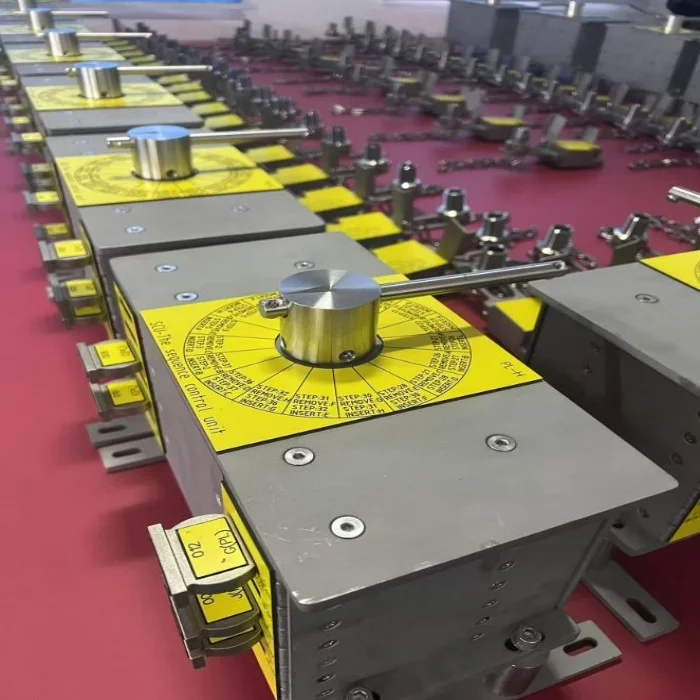
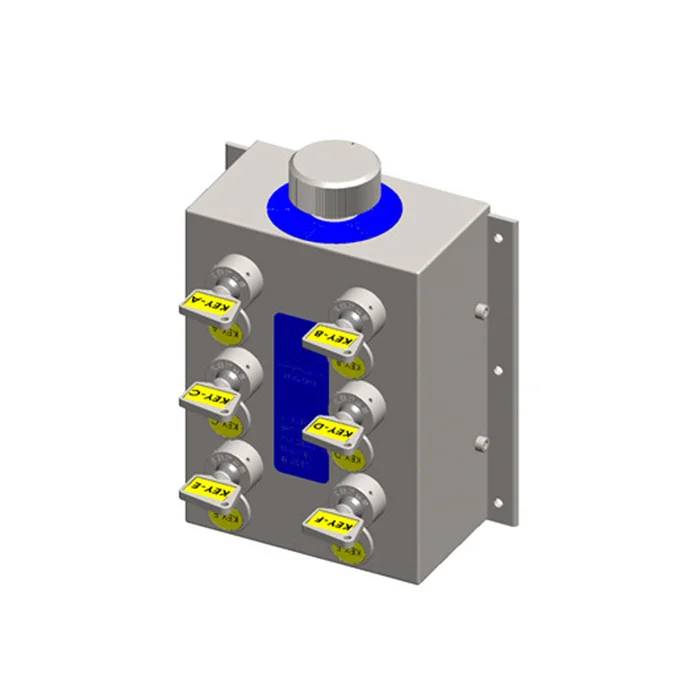
- Sequential Valve Interlock System: For complex processes, a mechanical valve interlock system like Nodango's SCU (Sequential Control Unit) enforces a pre-defined operational sequence. The key is only released upon completion of the previous step, preventing procedural errors in pipeline draining, bypassing, or system start-up/shutdown.
- Mechanical Interlock for Valve Safety Management: This broader approach integrates interlocks into a plant's overall safety management system, ensuring compliance with procedures like Lockout/Tagout (LOTO).
Step 4: Consider Customization and Integration
Off-the-shelf solutions rarely fit perfectly. Legacy valves, space constraints, and unique process layouts often demand tailored answers.
This is where partnering with an expert like Nodango proves invaluable. As a provider of customized valve interlock solutions, we assess your specific valve dimensions, mounting points, and operational workflow to design a pipeline valve interlock safety device that integrates seamlessly. Our limit interlock XWIL is an example of a specialized solution for positional control.
Step 5: Verify Quality and Compliance
Never compromise on quality. A failed interlock can lead to catastrophic safety incidents.
- Certifications: Ensure the manufacturer adheres to international standards. Nodango's products comply with the GB/T19001-2015 idt ISO9001:2016 quality management system and hold CE certification for the European market.
- Manufacturing Capability: Review the supplier's production and quality control processes. Nodango operates advanced production workshops and maintains organized warehouses to ensure consistent quality and timely delivery.
- Proven Track Record: Look for a supplier with experience in your industry. Nodango's industrial valve safety interlocks are trusted in oil and gas, petrochemical, power generation, and marine engineering worldwide, from Saudi Arabia and Germany to Brazil and India.
Why Choose Nodango for Your Valve Interlock Needs?
Shanghai Nodango Safety Equipment Co., Ltd. is not just a manufacturer; we are your safety partner. With numerous patented technologies and collaboration with research institutions, we focus on innovation in safety system engineering. Our products are designed for reliability and flexibility in the toughest environments. From initial safety consulting to design, manufacturing, and after-sales support, we provide an end-to-end solution for your valve interlock requirements.
Contact Nodango today for a professional safety assessment:
Phone: +86 13052019523 | WhatsApp: +86 13816485040
Email: globalnudango@shndg.cn
Website: https://www.nudango.com/
Address: No.124, Block C, No.1118 Guchen Road, Baoshan District, Shanghai, P.R.C.
Selecting the right valve interlock is a technical decision with significant safety implications. By methodically evaluating your valve type, environment, safety logic, and supplier credentials, you can implement a robust mechanical valve interlock system that protects your assets, your people, and your process. For customized valve interlock solutions that meet the highest standards of quality and innovation, trust the expertise of Nodango.