How to Read Valve Interlock Technical Specifications: The Impact of Manufacturing Quality on Safety Performance
When sourcing safety equipment for high-risk industrial processes, procurement professionals often face a critical question: how do you interpret the technical parameters of a valve interlock system, and how does the manufacturing quality influence its real-world performance? Understanding these two aspects is essential for ensuring operational safety, regulatory compliance, and cost efficiency. This comprehensive guide decodes the key specifications of mechanical valve interlock systems and explains how production processes—from material selection to final assembly—directly affect product reliability. We will also illustrate best practices using the proven solutions from Nudango (Shanghai Nodango Safety Equipment Co., Ltd.), a trusted manufacturer with ISO-certified quality management and extensive experience in harsh industrial environments.
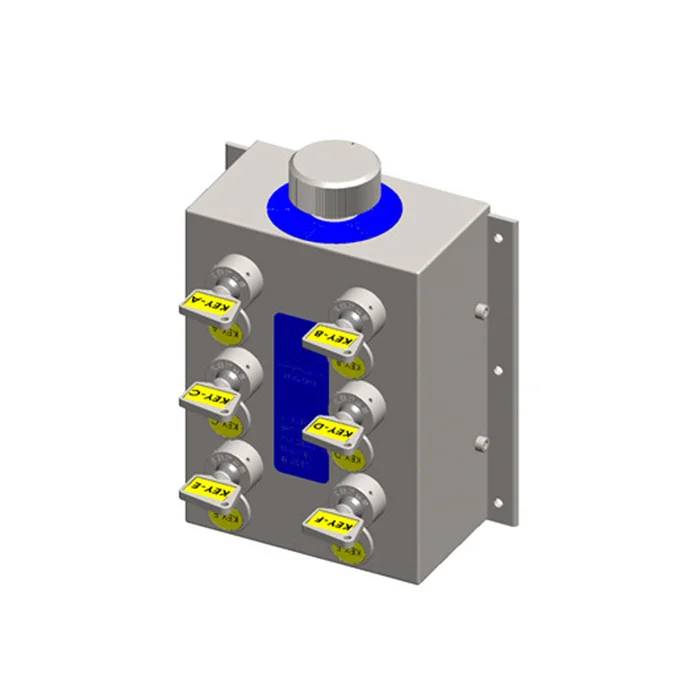
What Is a Valve Interlock and Why Are Technical Specifications Critical?
A valve interlock is a mechanical safety device that prevents unauthorized or sequential operation of valves in a predefined order. It ensures that critical process steps are followed correctly, reducing the risk of catastrophic incidents such as gas leaks, pressure surges, or chemical releases. Key types include quarter-turn valve interlocks, multi-turn valve interlocks, key-operated valve interlocks, and sequential interlock systems.
Technical parameters define the interlock's capability to function reliably under specific operating conditions. Without correctly interpreting these parameters, buyers risk selecting an interlock that may fail under pressure, temperature extremes, or corrosive atmospheres. Likewise, the manufacturing quality—how the device is designed, cast, machined, assembled, and tested—determines whether the interlock will maintain its performance over years of maintenance-free service.
Industry Background: Valve Interlocks in High-Risk Environments
Valve interlocks are widely used in the oil and gas, petrochemical, shipbuilding, marine engineering, power generation, non-ferrous metals, and steel industries. In these sectors, failures can lead to explosions, environmental disasters, and loss of life. Therefore, regulatory bodies such as OSHA, IEC, and ATEX mandate the use of safety interlocking devices for specific valve configurations. The global market for valve interlocks is growing steadily, driven by increasing safety awareness and stricter regulations. According to industry reports, the demand for customized, explosion-proof, and corrosion-resistant valve interlocks is particularly strong in the Middle East, Southeast Asia, and Europe.
Detailed Solution: Decoding Valve Interlock Technical Parameters
When evaluating a valve interlock, you must examine the following critical specifications:
1. Actuation Type and Valve Compatibility
- Quarter-turn valve interlock: Designed for ball valves, butterfly valves, and plug valves (90° rotation).
- Multi-turn valve interlock: For gate valves, globe valves, and other rising-stem valves requiring multiple turns.
- Drive valve interlock: For actuated valves (pneumatic, electric, or hydraulic).
- Gear box valve interlock: For large valves operated via gearboxes.
2. Material Composition and Environmental Durability
| Material | Application | Corrosion Resistance |
|---|---|---|
| Stainless steel (304/316) | Offshore, chemical plants, high humidity | Excellent |
| Carbon steel with coating | General industrial, cost-sensitive | Good with proper coating |
| Hastelloy / Duplex | Extreme corrosive environments (acid gas) | Superior |
Nudango’s valve interlocks are known for their moisture-proof, mildew-proof, rust-proof, and dust-proof properties, making them suitable for long-term use in harsh industrial environments.
3. Protection Class (IP Rating) and Explosion Proof
For outdoor or hazardous locations, look for IP65 or higher to resist water and dust ingress. In explosive atmospheres, the interlock must carry ATEX, IECEx, or equivalent certification. Nudango offers CE-certified explosion-proof valve interlocks that comply with international safety standards.
4. Mechanical Strength and Torque Capacity
The interlock must withstand the maximum torque exerted by the valve operation without deformation. Key parameters include maximum operating torque, shear pin strength, and cycle life. For example, Nudango’s rotary motion valve interlock (Model VJ) and multi-turn valve interlock (Model VDS/VDL) are engineered with robust internal mechanisms that ensure repeatable locking even after thousands of cycles.
5. Keying and Sequencing Logic
A sequential valve interlock system uses a trapped-key principle: a key can only be released when the valve is in a specific position, then transferred to the next lock. The number of keys, their coding (unique or master), and the interlock sequence must match your process safety requirements. Customized valve interlock solutions from Nudango allow full adaptation to existing valve layouts and operational protocols.
How Manufacturing Quality Affects Valve Interlock Performance
Even the most impressive specifications are meaningless if the product is poorly manufactured. The following stages in Nudango’s production process directly impact quality:
Material Selection and Incoming Inspection
High-quality raw materials (e.g., 316 stainless steel, corrosion-resistant alloys) are verified with mill certificates. Any deviation in chemical composition can lead to premature failure in corrosive environments.
Precision Machining and Assembly
CNC machining ensures tight tolerances on key components such as locking slides, cam profiles, and keyway slots. Poor machining causes binding or misalignment. Nudango’s production workshop is equipped with advanced machinery and follows ISO 9001:2015 quality management system (certificate GB/T19001-2016 idt ISO9001:2016).
Surface Treatment and Coating
Galvanizing, anodizing, or specialized coatings protect against corrosion. Nudango’s products undergo rigorous salt spray testing to ensure rust resistance.
Assembly and Functional Testing
Each interlock is assembled under controlled conditions and then tested for key operation, torque capacity, and leak path integrity. Only units passing 100% inspection are shipped.
Certification and Traceability
Nudango holds multiple certifications, including Quality Management System Certification, Environmental Management System Certification, and Occupational Health and Safety Management System Certification, as well as CE marking. Each product is traceable to its batch and test records, providing full accountability.
Step-by-Step Guide: How to Choose the Right Valve Interlock
- Define your application: valve type, actuation, pressure class, temperature range.
- Identify environmental hazards: corrosive atmosphere, explosive zone (ATEX Zones 0/1/2), humidity, UV exposure.
- Determine safety logic: single-valve lockout or sequential interlocking of multiple valves.
- Match specifications to available products: quarter-turn, multi-turn, drive, or gearbox interlock.
- Evaluate supplier manufacturing capabilities: certifications, quality control procedures, experience in similar industries.
- Request a customized solution if standard products do not fit. Nudango specializes in customized valve interlock solutions for complex processes.
- Conduct a sample test: request a prototype to verify fit and function under simulated operating conditions.
Use Case: Nudango Valve Interlocks in a Petrochemical Plant
Case Study: Sequential Interlocking for a Hazardous Pipeline
A major petrochemical operator in Saudi Arabia needed to prevent accidental mis-routing of highly corrosive chemicals. They installed a sequential valve interlock system from Nudango, consisting of eight quarter-turn interlocks (Model VJ) and two multi-turn interlocks (Model VDS). The interlocks were made of stainless steel with an IP67 rating and ATEX certification. After two years of operation, the system has logged zero false trips or maintenance issues. The plant’s safety manager reported a significant reduction in near-miss events and praised the reliability even in sandstorms and extreme heat.
This real-world example demonstrates that understanding technical parameters and trusting manufacturing quality directly translates to operational safety and cost savings.
Frequently Asked Questions (FAQs)
A quarter-turn interlock is used for valves that rotate 90 degrees (ball, butterfly), while a multi-turn interlock is for valves that require several rotations (gate, globe). The actuation type must match your valve.
Check for ATEX, IECEx, or NEC certifications printed on the product, as well as the enclosure protection class (IP). Nudango’s CE-certified interlocks are suitable for explosive environments.
Yes, most mechanical key interlocks can be mounted directly onto the valve actuator or handwheel. Nudango offers custom adaptation brackets for legacy valves.
With proper material selection (e.g., stainless steel) and a well-sealed design, a quality interlock can last 10+ years in moderate environments. In harsh conditions, regular inspection is recommended.
Even exact specifications cannot compensate for poor machining, weak welds, or substandard coatings. High-quality manufacturing ensures consistent performance, extended service life, and compliance with safety regulations.
Conclusion
Selecting a valve interlock is not a one-size-fits-all decision. It requires a thorough understanding of technical parameters—such as actuation type, material, protection class, and sequencing logic—and a careful evaluation of the manufacturing quality behind the product. A well-made interlock from a certified manufacturer like Nudango provides the reliability and longevity that process safety demands.
Whether you are in the oil and gas, petrochemical, or marine engineering sector, investing time to decode specifications and assess production quality will pay off in reduced downtime, lower total cost of ownership, and safer operations. To discuss your specific application or request a custom solution, contact Shanghai Nodango Safety Equipment Co., Ltd. at +86 13052019523 or email globalnudango@shndg.cn. Visit our website www.nudango.com for more product details.