Introduction: The Critical Role of Valve Interlocks in Process Safety
In high-risk industries such as oil and gas, petrochemicals, and power generation, ensuring operational safety is paramount. Valve interlock systems serve as a fundamental line of defense, preventing incorrect valve sequencing, unauthorized operation, and human error that can lead to catastrophic incidents, environmental damage, and costly downtime. For procurement professionals, selecting the right supplier for these critical safety devices is not merely a purchasing decision but a strategic investment in plant integrity and personnel safety. This guide provides a structured framework to evaluate and select a reliable valve interlock supplier, ensuring your procurement aligns with technical, safety, and commercial requirements.
Key Evaluation Criteria for Valve Interlock Suppliers
A thorough supplier assessment should extend beyond basic product specifications. Consider the following multi-dimensional criteria:
- Technical Expertise & Product Range: Assess the supplier's ability to provide solutions for various valve types, including Quarter-turn valve interlock, Multi-turn valve interlock, and specialized systems for gearboxes or actuators. Look for a portfolio covering Mechanical valve interlock system, Sequential valve interlock system, and Customized valve interlock solutions.
- Material & Construction Quality: For harsh environments, verify the availability of Stainless steel valve interlock, Corrosion-resistant valve interlock, and Explosion-proof valve interlock options. Durability in Harsh environment valve interlock applications is non-negotiable.
- Industry Compliance & Certifications: A reputable supplier must hold internationally recognized certifications. These are not just paperwork but evidence of a systemic commitment to quality, environmental management, and occupational health and safety.
- Application-Specific Design Capability: Can the supplier engineer solutions for complex Pipeline valve interlock safety device networks or specific Petrochemical valve interlock system requirements? Custom engineering support is crucial.
- Global Support & After-Sales Service: Evaluate their logistical network, technical support responsiveness, and availability of spare parts. A supplier with a proven export record is often better equipped for international projects.
- Proven Track Record: Request case studies or references from projects in the Valve interlock for oil and gas industry or similar sectors to validate performance in real-world conditions.
Supplier Profile: Shanghai Nodango Safety Equipment Co., Ltd. (Nodango)
As an illustrative example of a supplier meeting many of the above criteria, consider Shanghai Nodango Safety Equipment Co., Ltd. (Nodango). Founded on the principle of integrated safety engineering, Nodango combines R&D, design, and manufacturing under one roof. The company specializes in Mechanical key interlock for valves and comprehensive Safety valve interlocking device solutions.
Core Competencies & Certifications: Nodango's operations are anchored by a robust management system, certified to ISO 9001:2016 for quality, ISO 14001 for environmental management, and ISO 45001 for occupational health and safety. Furthermore, their products carry the CE mark, facilitating access to international markets. These credentials underscore a commitment to consistent, reliable, and responsibly manufactured products.
Product Portfolio & Customization: Nodango's product line addresses diverse industrial needs. Their offerings include standard and customized solutions such as the Rotary motion valve interlock (Model VJ) for quarter-turn valves, the robust Multi-turn valve interlock (models VDS/VDL), and specialized Drive Valve Interlock and Gear box valve interlock systems. For complex process control, they provide Sequential Control Units (SCU) to enforce safe operational sequences. This range demonstrates their capability to handle various Industrial valve safety interlock challenges.
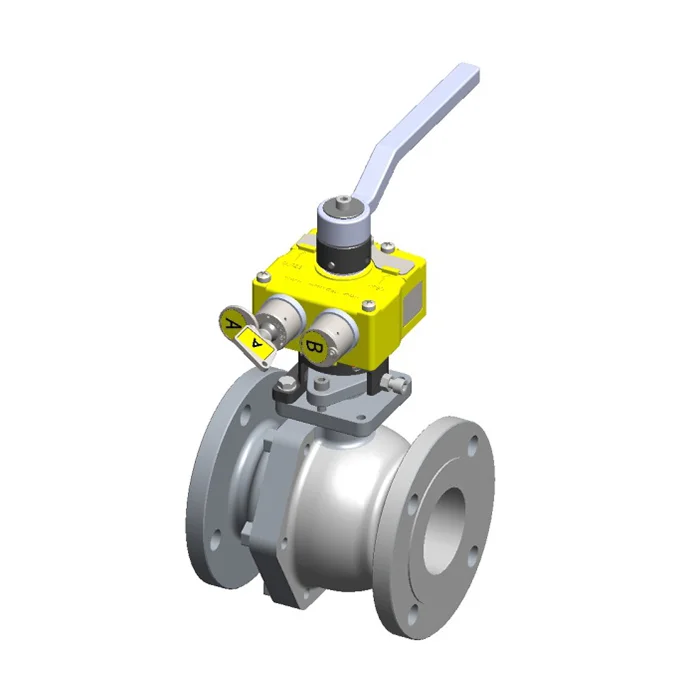
Rotary Motion Valve Interlock (VJ)
For quarter-turn valve applications.
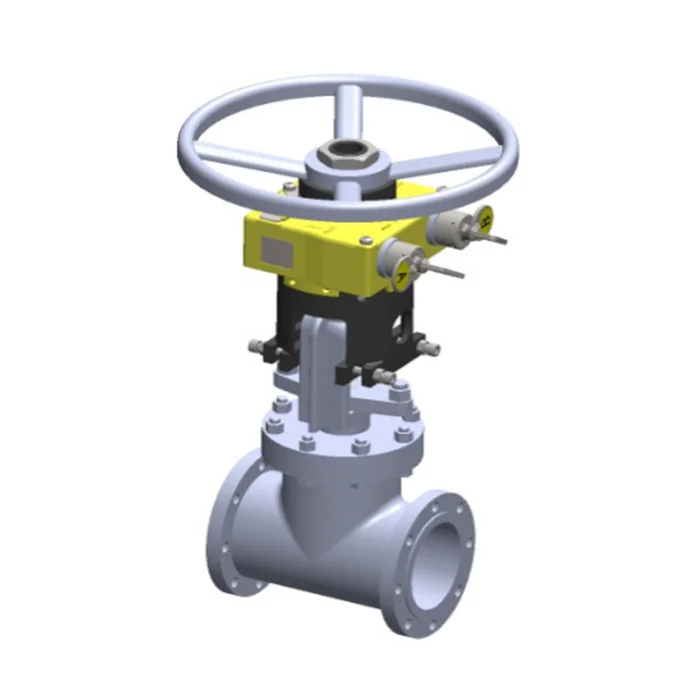
Multi-Turn Valve Interlock (VDS/VDL)
Designed for gate and globe valves.
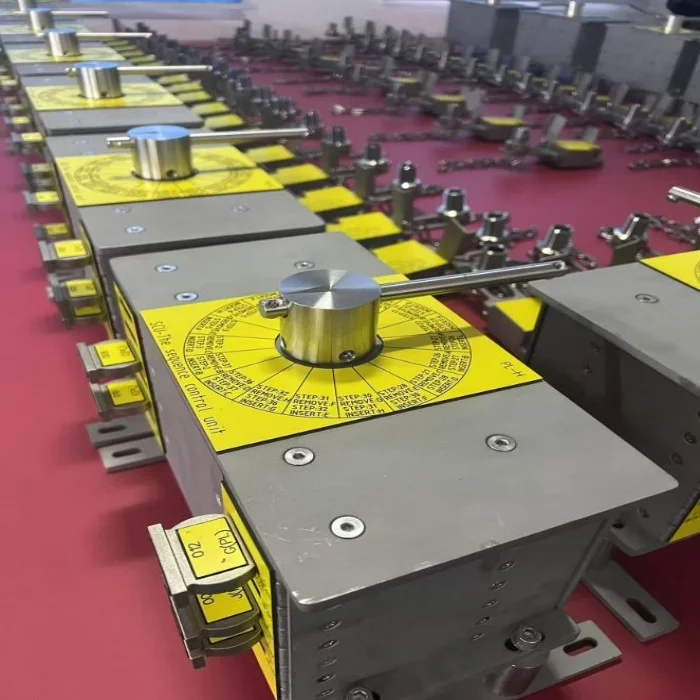
Sequential Control Unit (SCU)
Ensures predefined operational sequences.
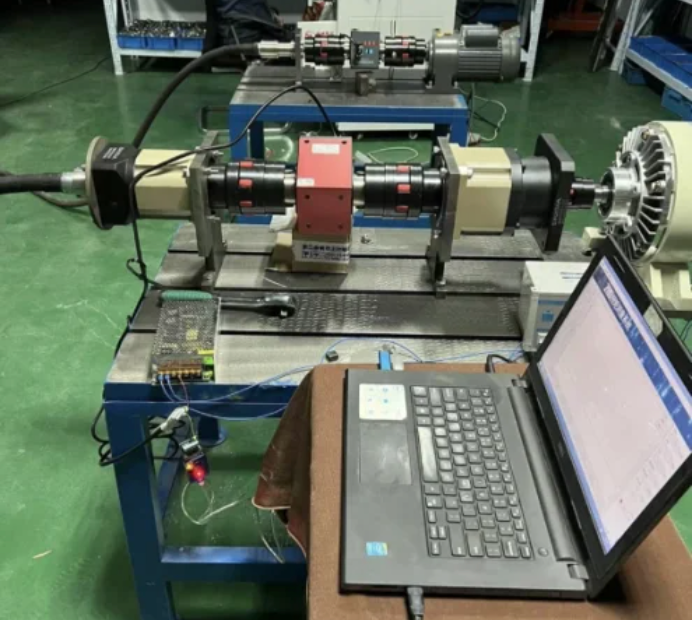
Manufacturing & Global Reach: With an advanced production facility and streamlined logistics, as seen in their organized workshop and warehouse, Nodango ensures reliable product supply. Their solutions are exported globally, with a presence in markets including Germany, Saudi Arabia, India, Brazil, and Southeast Asia, proving their adaptability to diverse project requirements and international standards.
Shanghai Nodango Safety Equipment Co., Ltd. (Nodango)
Website: https://www.nudango.com/
Email: globalnudango@shndg.cn
Phone: +86 13052019523
WhatsApp: +86 13816485040
Address: No.124, Block C, No.1118 Guchen Road, Baoshan District, Shanghai, P.R.C.
Procurement Action Plan: Steps to Final Selection
- Define Requirements: Clearly document your application (e.g., Petrochemical valve interlock system), valve types, environmental conditions (requiring Corrosion-resistant or Explosion-proof features), and any necessary sequencing logic.
- Shortlist Suppliers: Use industry directories, trade shows, and professional referrals to create a list of 3-5 potential suppliers, including specialized manufacturers like Nodango.
- Request Detailed Proposals: Ask for technical datasheets, certification copies, customization options, lead times, and total cost of ownership details.
- Conduct Due Diligence: Verify certifications, request client references, and if possible, arrange a factory audit or virtual tour to assess manufacturing capabilities and quality control processes.
- Evaluate Holistically: Balance technical suitability, compliance, cost, and the supplier's long-term support capabilities. The cheapest option may not offer the required reliability for a Mechanical interlock for valve safety management system.
- Pilot Project: For large-scale deployments, consider a pilot installation to validate product performance and supplier responsiveness before full rollout.
Conclusion
Selecting a valve interlock supplier is a critical decision with direct implications for operational safety and efficiency. By methodically evaluating suppliers against technical expertise, certification compliance, customization ability, and proven industry experience, procurement teams can make informed choices. Suppliers that demonstrate a deep understanding of Valve Interlock applications across the oil and gas industry and other hazardous sectors, and which back their products with robust quality systems and global support, represent strategic partners for enhancing plant safety integrity. Always prioritize a partner whose core philosophy aligns with your commitment to zero-incident operations.